April 2, 2026
Your roof is your home's first line of defense against the elements, and keeping it in good condition is one of the most important aspects of home maintenance. When warning signs go unnoticed or unaddressed, small issues can escalate into serious structural problems that threaten the safety and comfort of your home. Knowing what to look for — and when to call a local roof repair expert — can make all the difference in protecting your investment.
Spot Visible Damage to Roofing Materials
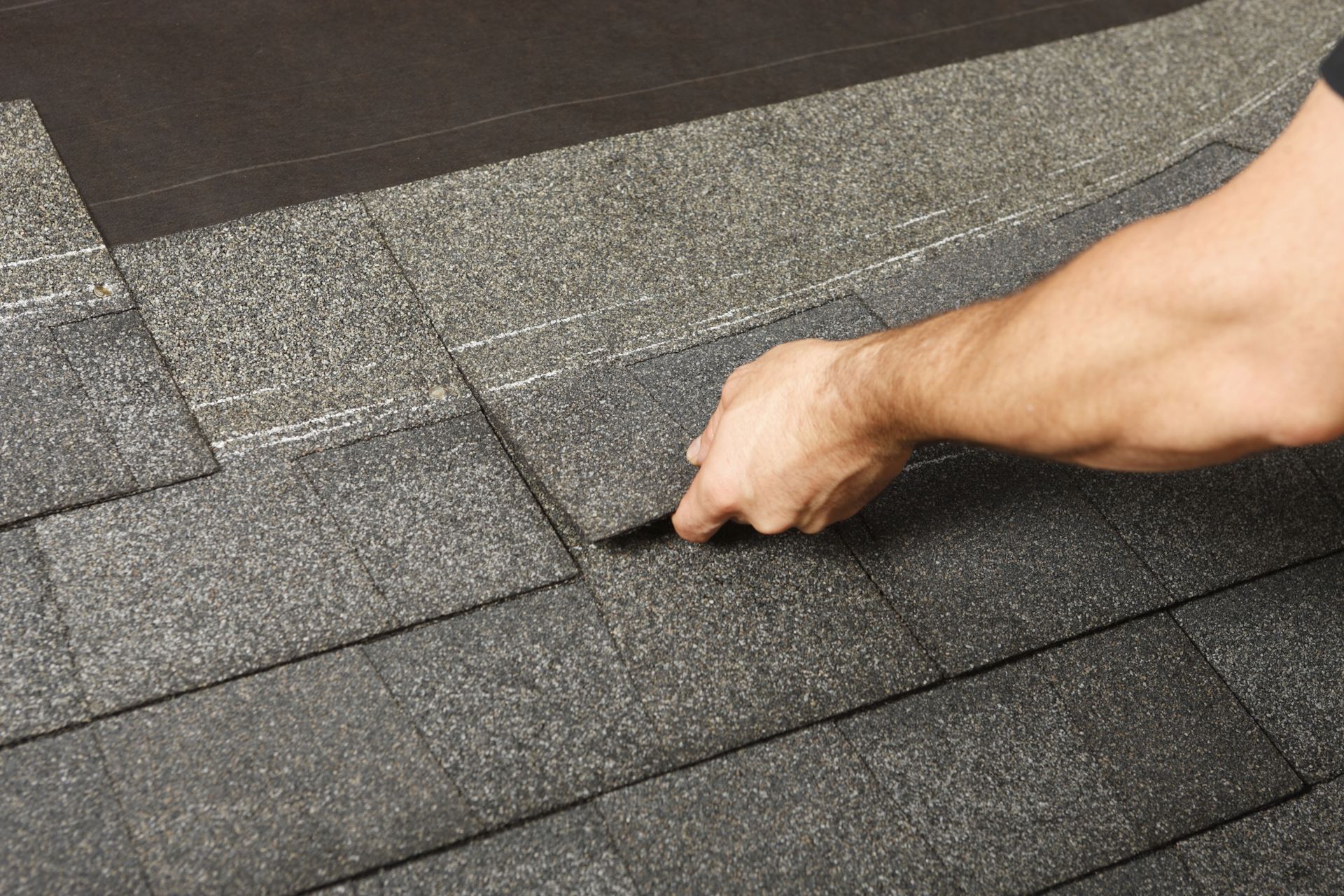
Some of the clearest signs that your roof needs attention are visible right from the ground. Missing, broken, curling, or buckling shingles are indicators that your roof's protective layer has been compromised. Shingles serve as the primary barrier against rain, wind, and snow, and when they are damaged or missing, moisture can penetrate the underlying structure and cause serious harm. Curling and buckling often result from poor ventilation or moisture buildup and can worsen quickly when exposed to high winds.
Flashing — the metal strips that seal vulnerable joints and valleys on a roof — is another area to watch closely. When flashing cracks or warps from prolonged weather exposure, it loses its ability to redirect water away from critical areas, creating pathways for leaks. Homeowners should also check their gutters after rain for excessive granule buildup, which signals that asphalt shingles are deteriorating faster than normal. According to Roofing Contractors, about 45% of homeowners report needing professional roof repairs every 5 to 7 years due to weather damage, leaks, or general wear and tear — making routine visual checks an essential habit for every homeowner.
Recognize Water Damage Inside the Home
Water damage inside your home is a clear warning that your roof has already been compromised. Common indicators include brown or yellow stains on ceilings and walls, peeling or cracking paint, and bubbling or warped wallpaper—all signs that moisture is seeping in from above. If left unchecked, this water infiltration creates the perfect environment for mold and mildew to thrive. These fungi not only weaken structural elements like beams, joists, and drywall but also pose serious health risks, including respiratory issues and allergic reactions, for the people living in the home. Prompt attention to these warning signs is critical to preventing more extensive damage and costly repairs down the line.
Areas such as the attic, interior walls, and roof junctions are particularly vulnerable to moisture accumulation, making any wet or damp spots worthy of immediate investigation. Active leaks during or after rain are especially concerning, as water can saturate insulation, drastically reducing its efficiency and driving up energy costs. A skilled local roof repair professional can pinpoint the exact source of the intrusion, whether it’s a damaged shingle, flashing, or vent seal, and implement a targeted, long-lasting repair. By addressing the root cause rather than applying temporary patches, homeowners can protect both the structural integrity of their property and the health of everyone inside, ensuring peace of mind and long-term durability.
Address Unusual Roof Aging and Wear
A roof's age is one of the most important factors in assessing its condition. As roofing materials reach the later stages of their lifespan, they become increasingly susceptible to damage and less effective at protecting the home. Sagging areas on the roof deck are a serious warning sign, often indicating water damage, inadequate structural support, or excessive weight from accumulated debris or snow. Any sagging should be evaluated by a local roof repair expert without delay.
Blistering or bubbling on shingles, excessive fading or cracking from prolonged sun exposure, and signs of poor ventilation are additional indicators that a roof is aging beyond its reliable service range. Inadequate ventilation accelerates shingle deterioration, promotes moisture buildup, and can contribute to ice dam formation during colder months. When multiple signs of wear appear together, it is a clear signal that a thorough inspection and likely repair work is overdue.
Watch for Rising Energy Use
An unexplained increase in how hard your heating and cooling systems are working can sometimes be traced back to your roof. When roofing materials are damaged or improperly installed, they can compromise the insulation layer that regulates indoor temperatures. This causes HVAC systems to run more frequently to compensate, placing unnecessary strain on those systems and reducing overall comfort throughout the home.
Drafts, uneven temperatures between rooms, and poor attic ventilation are all symptoms worth investigating from a roofing perspective. Gaps or damage in the roof structure can allow outside air to seep in, disrupting the thermal balance of the home. A local roof repair inspection can identify where the roof is contributing to energy loss and recommend the right repairs to restore proper insulation and ventilation performance.
Listen for Structural Noises and Movement
Unexplained creaking, popping, or cracking sounds coming from the roof area are worth taking seriously, particularly when they occur frequently or intensify after weather events. These sounds often result from temperature fluctuations that cause roofing materials to expand and contract, but when persistent, they can signal underlying structural weakness. Loose or wobbly shingles and tiles are another indicator that fastenings have weakened and that sections of the roof are no longer secure.
Gaps or holes in the roof — whether from missing components or material wear — invite both water and pests and should be addressed urgently by a local roof repair expert. Visible movement or shifting in the roof structure is among the most serious signs of all, suggesting foundational instability that requires immediate professional evaluation. Addressing these structural concerns early is the most effective way to prevent further deterioration and protect the long-term safety of the home.
Evaluate the Quality of Previous Repairs
Not all roof repairs are created equal, and inadequate past work can leave a roof more vulnerable than before. Temporary patchwork may stop an immediate leak but rarely addresses the root cause of the problem, meaning the same issue is likely to return. Repairs made with mismatched or incompatible materials can also create weak points in the roof's structure, where differential wear causes certain sections to deteriorate faster than others.
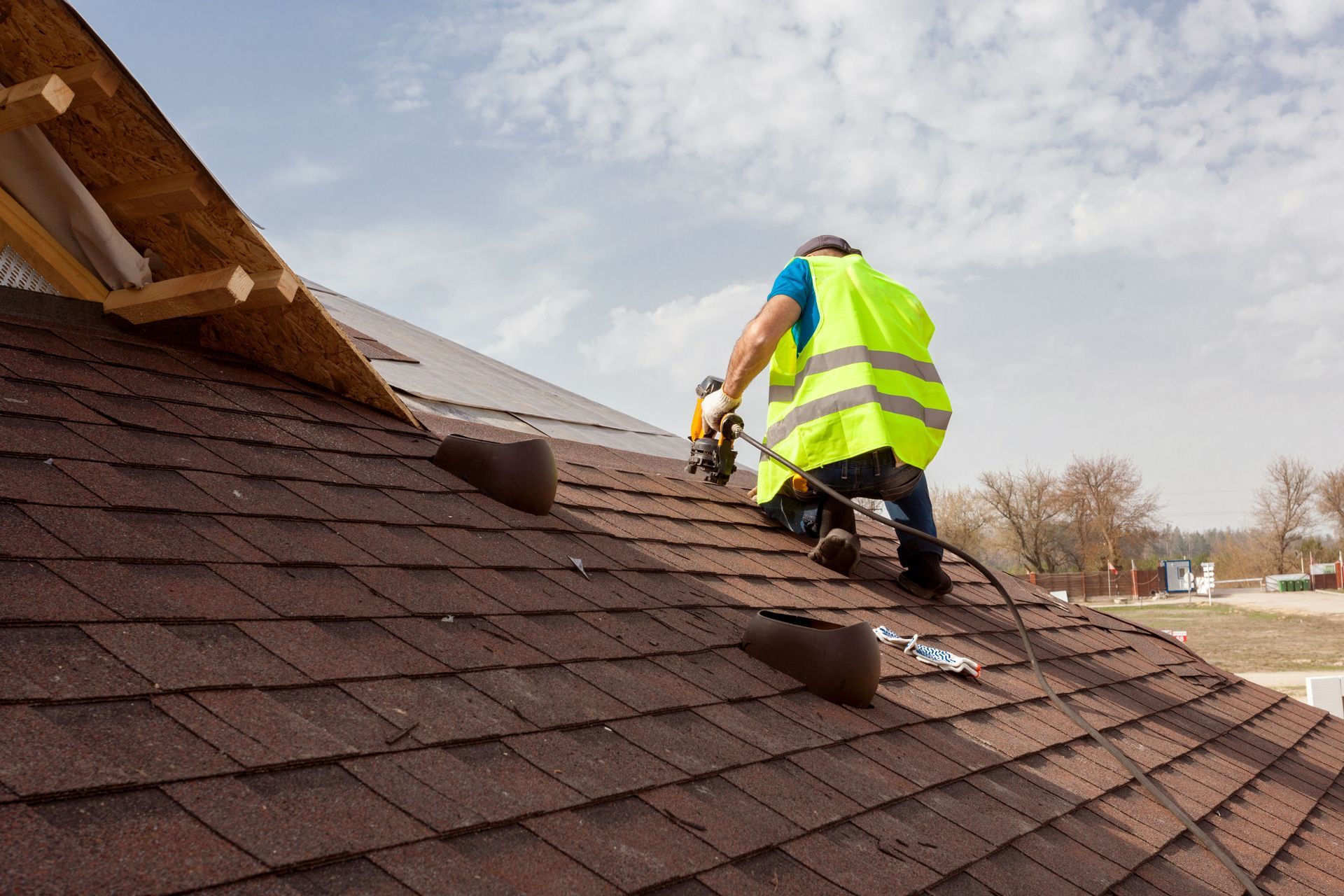
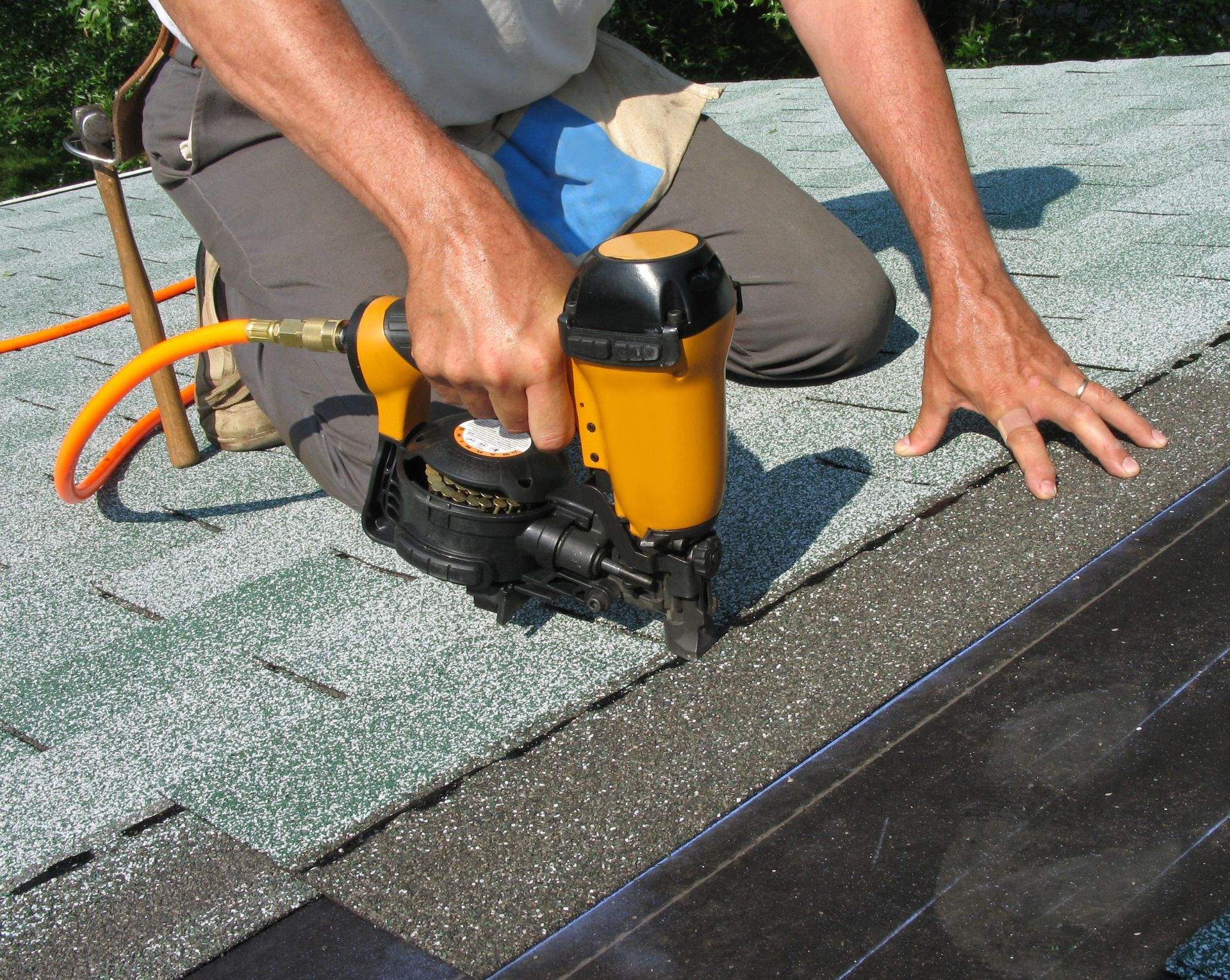
If your roof shows recurring problems, signs of early wear after recent repairs, or lacks a history of professional follow-up inspections, these are all reasons to call a local roof repair expert for a comprehensive evaluation. Persistent issues suggest that the underlying cause has never been properly identified or resolved. A qualified professional can assess the full scope of the damage, identify what previous repairs may have missed, and deliver solutions that are built to last. Establishing a relationship with a roof repair contractor — and scheduling regular post-repair inspections — is one of the best ways to stay ahead of emerging problems and maintain the health of your roof over the long term.
Your roof works hard every day to protect your home, and recognizing the signs that something is wrong is the first step toward keeping it in good condition. From visible material damage and water infiltration to structural concerns and energy inefficiency, the warning signs covered in this article are all reasons to reach out to a roof repair expert sooner rather than later. Timely professional intervention preserves the integrity of your home and gives you confidence that your roof is ready to handle whatever the weather throws its way.
If you are ready to have your roof inspected by a trusted local roof repair team, contact us at SQI Inc. Roofing and Restoration today. We will help you identify the issues, walk you through your options, and restore your roof to the condition your home deserves.