May 28, 2026
For homeowners and property managers, the shelter overhead is often an afterthought until the first sign of a leak appears on the ceiling. At that moment, a critical decision-making process begins: is it better to mend the existing structure or invest in an entirely new surface? This dilemma is common in the world of property maintenance, where the balance between immediate costs and long-term security must be carefully weighed. Deciding between a targeted fix and a total overhaul requires a deep dive into the health of the structure, the local climate, and the financial implications of each choice.
The integrity of a building depends heavily on its ability to shed water and withstand the elements. When that ability is compromised, the urgency of the situation often leads to hasty decisions. However, a methodical approach to evaluating the damage can save thousands of dollars and years of stress. A high-quality roof repair might be sufficient for a minor issue, but there are clear indicators that point toward a full transition. Understanding these factors allows owners to act with confidence rather than reacting out of fear.
Assessing the Age of the Materials
The chronological standing of the installation is perhaps the most significant indicator of whether a fix will hold. Every material has a specific life expectancy determined by its composition and the quality of its initial installation. When a system approaches the end of its natural lifespan, the materials often become brittle and less resilient to environmental stress. In such cases, attempting a roof repair can be likened to putting a bandage on a wider structural problem. The older the surface, the less likely it is that localized patches will provide lasting protection against the ingress of moisture.
As the years pass, the granules on shingles may wear away or the metal may begin to show signs of pervasive oxidation. These are systemic issues that suggest the entire protective layer is failing simultaneously. While a single leak might seem like an isolated event, it is frequently the first of many failures to come. If the system has served for several decades, a total replacement is often the most logical path forward to ensure the safety of the occupants and the preservation of the interior assets.
Evaluating the Extent of Visible Damage
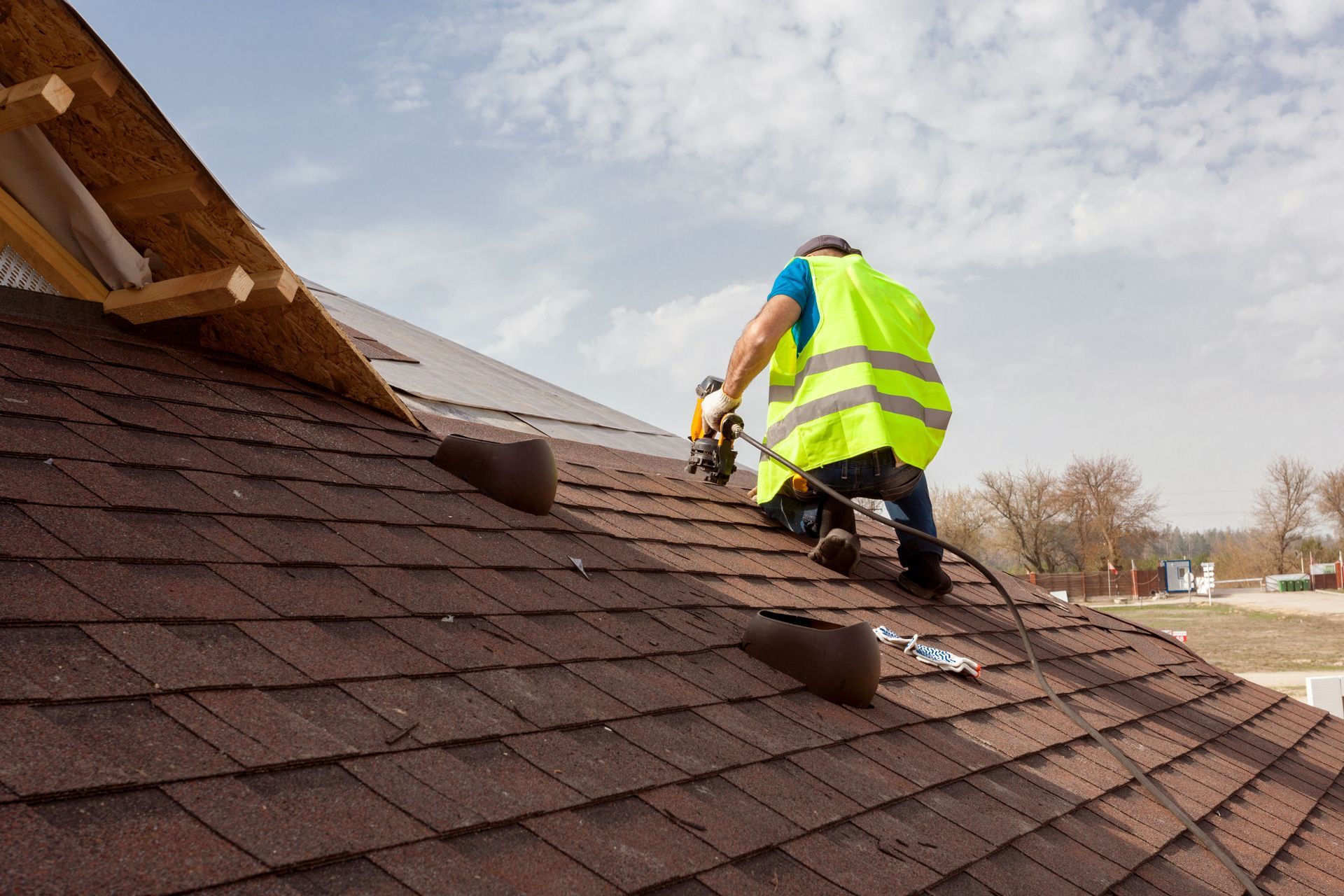
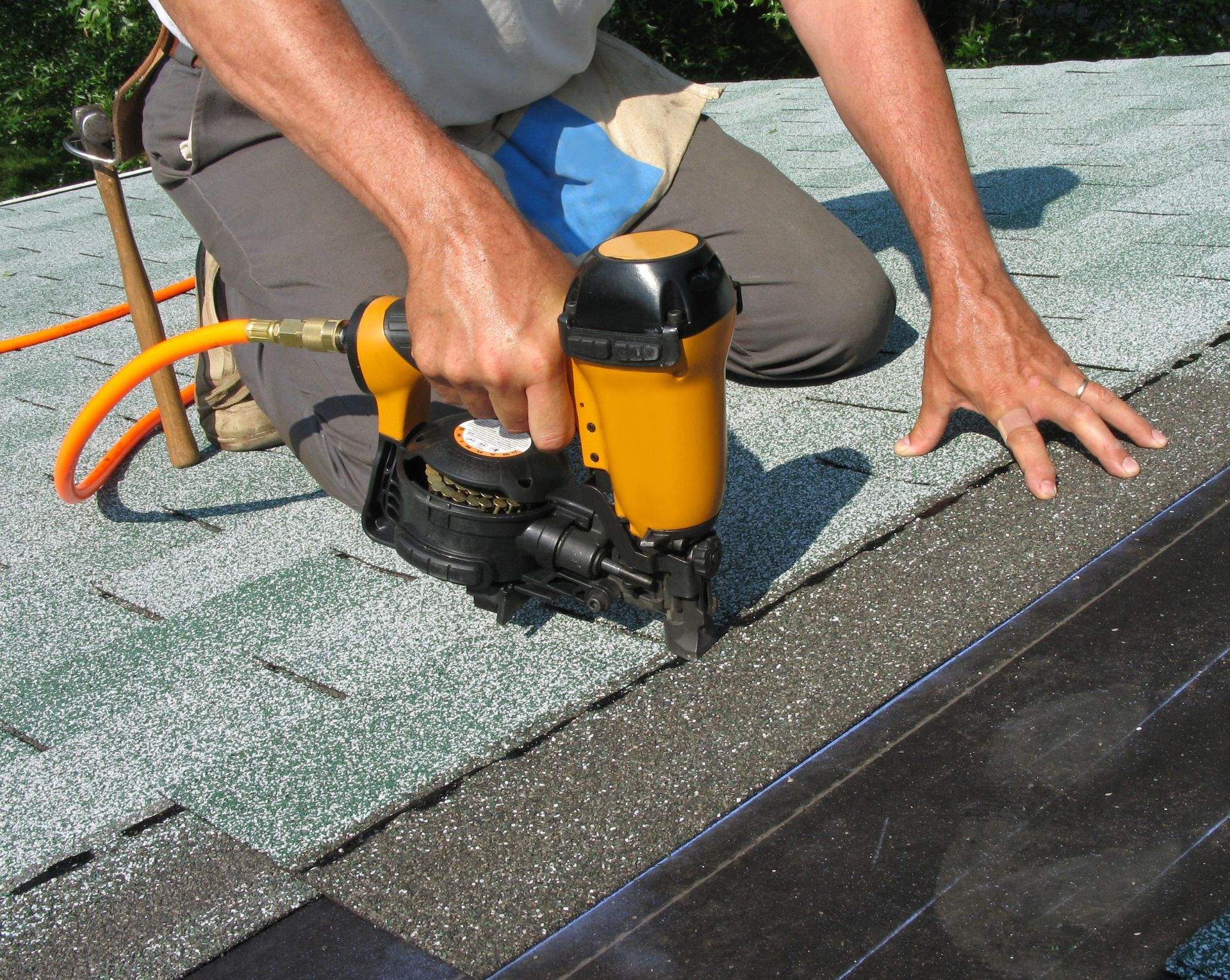
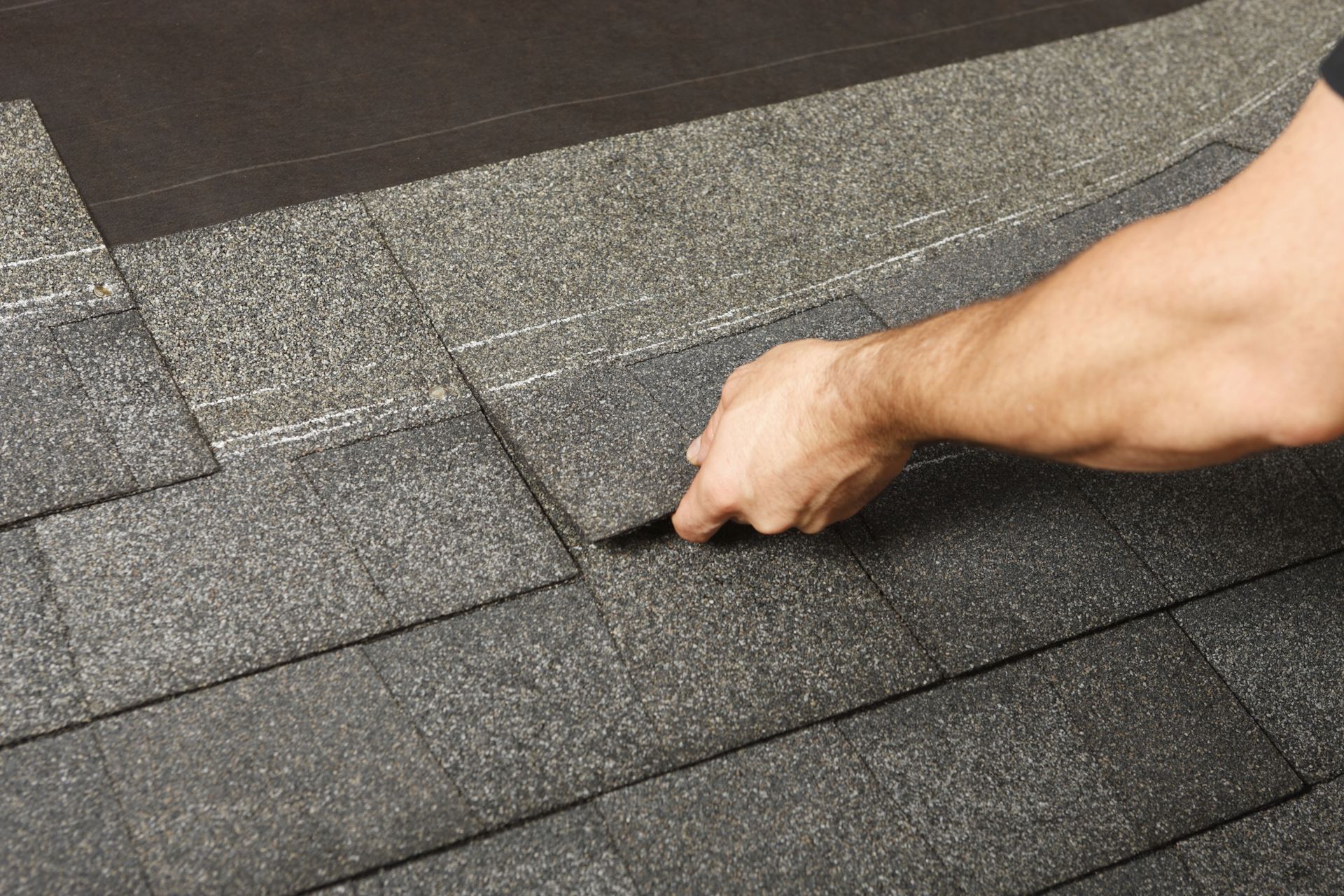
A physical inspection often reveals the severity of the situation through visible cues. Missing shingles, cracked tiles, or sagging sections are clear cries for attention. When the damage is confined to a small, specific area—perhaps caused by a fallen branch or a localized wind gust—a professional roof repair is usually the most efficient course of action. This targeted approach restores the barrier without the disruption of a full construction project. It is an effective way to extend the life of a system that is otherwise in good health.
However, if the damage is widespread, the math begins to shift. According to WifiTalents, replacement roofing makes up 94% of the volume in the residential segment. This indicates that many homeowners eventually find that the cumulative wear across the entire surface necessitates a fresh start. When a significant portion of the surface shows signs of distress, the structural integrity of the whole system is in doubt. At this stage, trying to fix individual spots becomes a cycle of diminishing returns, where the cost of multiple visits eventually surpasses the price of a brand-new installation.
Inspecting the Underlayment and Decking
The visible surface is only part of the story, as the true strength of the system lies beneath the outer layer. The decking and underlayment serve as the secondary line of defense against water penetration. If a leak has gone unnoticed for an extended period, moisture may have seeped into these lower layers, leading to wood rot or mold growth. When the internal skeleton of the structure is compromised, a simple surface-level roof repair will fail to address the underlying instability.
Identifying soft spots when walking on the surface or observing daylight through the boards in an attic are signs that the damage has moved beyond the shingles. In these instances, a replacement is often mandatory because the foundation upon which the materials rest is no longer sound. A fresh installation allows for the removal of all damaged wood, ensuring that the new protective layers are attached to a solid, dry, and secure base. This deep-level restoration is the only way to guarantee that the building remains watertight for the coming years.
Considering the Local Climate Patterns
The environment plays a silent but powerful role in the degradation of building materials. Regions prone to high winds, heavy snowfall, or intense heat cycles place a different kind of strain on the exterior. In areas where severe storms are frequent, even a minor roof repair must be executed with extreme precision to prevent the next gust from undoing the work. If the local weather patterns have become increasingly volatile, the added security of a modern, high-rated replacement system might offer invaluable peace of mind.
Intense sun exposure can also lead to thermal shock, where materials expand and contract rapidly, causing them to crack and lose their flexibility. If the current materials were not designed for the specific climate of the region, they will fail prematurely. Opting for a replacement allows the owner to choose modern, technologically advanced materials that are specifically engineered to handle the local weather. This proactive change can lead to better insulation, lower energy costs, and a much longer interval before the next major maintenance requirement.
Calculating the Long-Term Financial Impact
Financial considerations are always at the forefront of the repair versus replacement debate. While a fix has a lower immediate price tag, it is essential to look at the total cost of ownership over time. If a system requires a roof repair every few months, the cumulative expense quickly adds up. Furthermore, frequent leaks can lead to hidden costs, such as damage to insulation, electrical systems, and interior finishes. A one-time investment in a replacement often proves to be the more economical choice over a long horizon.
Property value is another financial factor to weigh. A new, warranted system is a significant selling point that can increase the market attractiveness of a building. Conversely, a surface that is covered in mismatched patches can be a red flag for potential buyers or insurance adjusters. Modern installations often come with extensive warranties that cover both materials and labor, providing a level of financial protection that a simple fix cannot match.
Analyzing the Efficiency of Modern Materials
The building material industry has seen remarkable innovations in recent years. Newer products offer superior fire resistance, better wind ratings, and improved reflective properties that can significantly reduce cooling costs. If the current system is several decades old, it is likely missing out on these technological advancements. Choosing a replacement is an opportunity to upgrade the building's performance and reduce its environmental footprint.
Navigating the complexities of property maintenance requires a partner who understands the nuances of structural health and environmental resilience. Whether the situation calls for a precise intervention to fix a specific problem or a comprehensive overhaul to secure the future, the right expertise makes all the difference. We pride ourselves on delivering honest assessments and superior craftsmanship to ensure your peace of mind. At SQI Inc Roofing and Restoration, we stand ready to protect your investment with solutions tailored to your specific needs.